

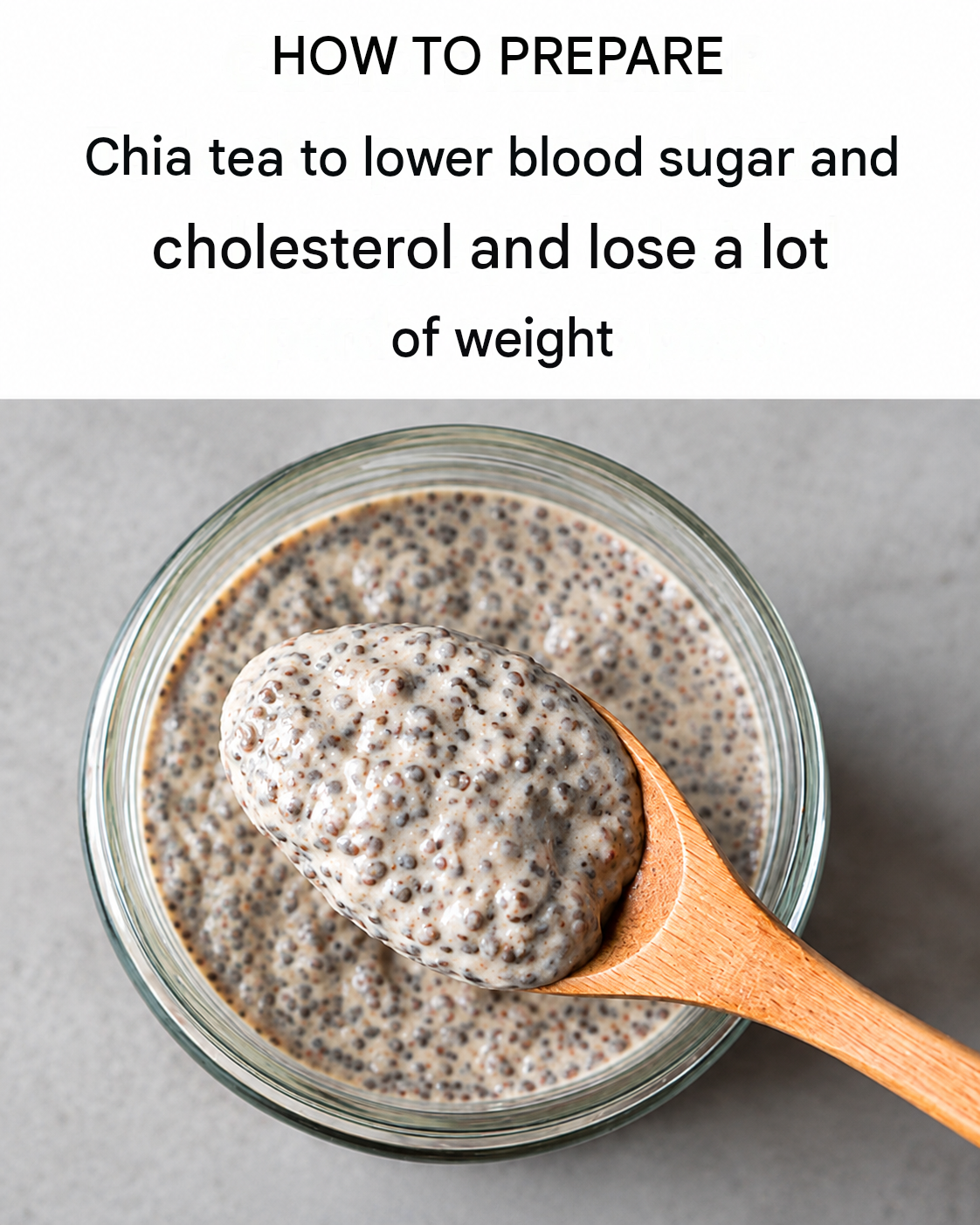
Chia: The Superfood That Reduces Cholesterol, Regulates Blood Sugar, And Helps With Weight Loss
Chia is a superfood that is gaining popularity thanks to its health benefits and its versatility. Nutritious and rich in essential nutrients, it is recommended by many doctors.
Chia seeds are an excellent source of fiber, antioxidants, calcium, protein, fatty acids and plant-based omega-3. They can be very beneficial for people with diabetes, as they help regulate blood sugar, as well as for those who suffer from constipation or want to lose weight.
This food provides an immediate feeling of fullness, which encourages you to eat less and therefore makes weight control and weight loss easier. This benefit is due to the ability of chia seeds to absorb water.
What Is In Chia Seeds?
Per 100 grams, chia contains approximately 543 calories, which is why the portion matters. But in that small portion you get a lot of nutrition:
* Fiber: Helps digestion, satiety, and blood sugar control
* Omega-3 (ALA): One of the highest plant sources of omega-3, good for the heart
* Protein: Contains all 9 essential amino acids, rare for a seed
* Calcium: More calcium per gram than milk, plus magnesium and phosphorus
* Antioxidants: Protect the body from free radicals and help prevent chronic diseases
* Zinc: Important for immunity and many body functions
1. Reduction Of Cholesterol
Chia seeds can help reduce levels of bad cholesterol (LDL) and increase good cholesterol (HDL). The combination of fiber and omega-3 fatty acids in the seeds contributes to improving the lipid profile, thus reducing the risk of cardiovascular disease.
The omega-3s help improve arterial health and blood circulation. Regular consumption has been shown in many studies to balance cholesterol levels and lower triglycerides.
2. Regulation Of Blood Sugar
Thanks to its high fiber content, chia seeds can help stabilize blood sugar. This is particularly beneficial for people with type 2 diabetes, as soluble fiber helps slow the absorption of sugars into the bloodstream, avoiding sudden spikes and crashes.
Chia has a low glycemic index, which means it helps control blood sugar spikes. The fiber forms a gel in the digestive system that slows digestion and the absorption of sugars, providing a constant and lasting supply of energy.
3. Help With Weight Loss
Chia seeds are known for their ability to absorb a large amount of water – up to 10 times their weight – forming a gel when mixed with liquids. This property can help increase the feeling of fullness and reduce appetite, thus facilitating weight control.
Because fiber takes longer to digest, you feel satisfied for longer, according to Mayo Clinic. This contributes to weight loss and reduces the risk of developing diabetes.
Including chia seeds in your meals can help you eat less and maintain a balanced diet.
4. Other Benefits
* Better digestion: The soluble fiber multiplies in size in contact with water, stimulates intestinal movement, lubricates the digestive tract, and improves constipation.
* Bone health: With just 30 grams of chia you get 20% of the recommended amount of calcium, essential for maintaining bone mass and structure.
* Antioxidant effect: It has a high concentration of phenols, antioxidants that stop up to 70% of free radical activity, helping to prevent premature aging of the skin and repair muscle tissue.
How Much Chia Should You Eat?
According to Sara Abu-Sabbah, a well-known Peruvian nutritionist, the recommended daily dose of chia is one tablespoon.
This small amount is recommended precisely because chia is a relatively high-calorie food, rich in nutrients, carbohydrates, oils and proteins.
Start with 1 tablespoon per day (about 15g) and you can go up to 2 tablespoons if your doctor or nutritionist recommends it.