
How to Tell If a Tomato Is Naturally Ripened or Artificially Ripened
Fruits& Vegetables
Some are allowed to ripen slowly under the sun, developing rich flavor and vibrant color right on the vine. Others are picked early and exposed to ripening agents to speed up the process. While both may look red on the outside, the difference in taste, texture, and nutrition can be significant.
If you want the juiciest, most flavorful tomatoes, here’s how to tell the difference.
1. Check the Color
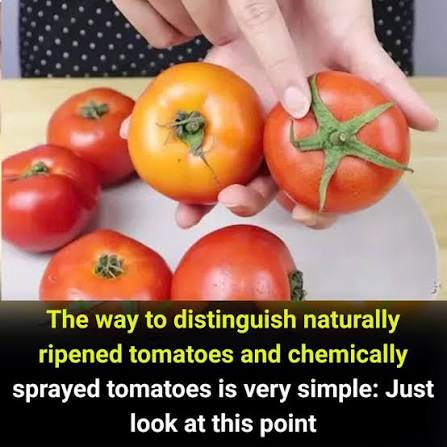
Naturally ripened tomatoes usually have a deep, vibrant red color that’s evenly distributed across the entire surface.
Artificially ripened tomatoes, on the other hand, may show:
Yellow or green patches
Uneven coloring
A bright red exterior but lighter areas near the stem
This happens because chemical ripening can affect the outer skin faster than the inside.
Fruits& Vegetables
2. Gently Test the Texture
Texture is one of the easiest ways to judge ripeness.Naturally ripened tomatoes feel firm but slightly soft when gently pressed. They should have a subtle give without feeling mushy.
Artificially ripened tomatoes often feel overly firm or hard because they didn’t fully mature on the vine.
Natural ripening allows the fruit to develop proper juiciness and structure over time.
Next Page →