
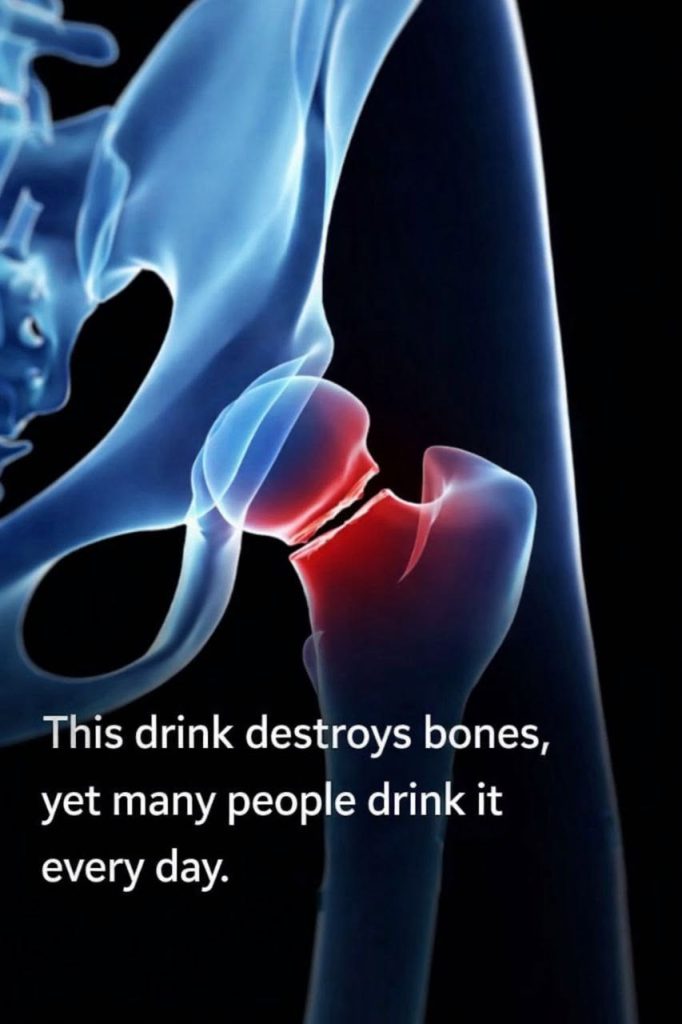
Bones support the body, protect organs, and play a role in blood cell production. Their strength depends on a balance of calcium, vitamin D, protein, and other nutrients. Certain beverages, particularly when consumed frequently or in large quantities, may negatively affect bone health or displace more nutritious choices.
Bone loss can occur gradually and may not cause noticeable symptoms until bone density has already declined. Over time, reduced bone strength can increase the risk of fractures and loss of mobility.
Find Barware
Diet and lifestyle play important roles in maintaining healthy bones. Calcium-rich foods, adequate vitamin D, regular physical activity, and moderation of certain beverages can all contribute to bone health. Here are five drinks worth considering if you want to take care of your bones.
Carbonated Drinks: A Beverage to Limit
Carbonated soft drinks are often high in added sugar, and some contain phosphoric acid. Regular consumption of sugar-sweetened beverages
may be associated with poorer overall diet quality and bone health, particularly when they replace calcium-rich drinks or foods.
The idea that the carbonation itself causes calcium to be pulled from bones is not well supported. However, frequently choosing sugary soft drinks instead of water or nutrient-rich beverages can make it
harder to maintain a balanced diet.
Diet versions generally contain little or no sugar, but they are not automatically a source of nutrients that support bone health. Choosing water or a calcium-rich beverage more often can be a practical alternative.
Alcoholic Beverages
But sugary soft drinks are only one category to consider—another everyday favorite may also deserve attention when consumed in large amounts.
Excessive Coffee Consumption: A Consideration for Caffeine Lovers
Moderate coffee consumption can fit into a healthy diet. However, caffeine can have a small effect on calcium balance, particularly when caffeine intake is high and dietary calcium intake
is inadequate.
People who consume several cups of coffee or other caffeinated beverages each day may benefit from paying attention to their overall calcium intake. Older adults may be particularly mindful of getting enough calcium and vitamin D as bone density naturally changes with age.
Rather than relying on mineral water with every cup of coffee, a more practical approach is to maintain an adequate intake of calcium-rich foods and beverages throughout the day and keep caffeine consumption moderate.
For people looking for an alternative to repeated cups of coffee, energy drinks may seem appealing—but their caffeine and sugar content can create
another set of concerns.
Energy Drinks: High in Caffeine and Sugar
Energy drinks can contain substantial amounts of caffeine and added sugar. Frequent or excessive consumption may contribute to an unhealthy dietary pattern and can make it more difficult to obtain the nutrients needed for good bone
health.
High caffeine intake may also have a modest effect on calcium balance. In addition, consuming sugary energy drinks regularly can increase overall added-sugar intake.
Replacing energy drinks with water, unsweetened beverages, or other nutritious options can reduce caffeine and added-sugar consumption while supporting a more balanced diet.
Alcohol presents a different challenge for bone health, affecting several processes involved in maintaining and rebuilding bone tissue.
Unlike caffeine-heavy drinks, alcohol can affect bone health through several pathways, making excessive consumption particularly important to address.
Alcohol: A Risk When Consumed Excessively
Excessive alcohol consumption can negatively affect bone health in several ways. Heavy alcohol use may interfere with the activity of bone-forming cells and can affect hormones and nutrient status involved in maintaining healthy bones.
Heavy drinking is also associated with an increased risk of falls and fractures. In addition, people who regularly consume large amounts of alcohol may have
difficulty obtaining adequate amounts
of calcium, vitamin D, protein, and other nutrients.
For these reasons, limiting alcohol consumption is an important part of maintaining overall bone health. People who drink should follow applicable low-risk drinking guidance and discuss individual concerns with a healthcare professional when appropriate.
Alcoholic Beverages
There is also a drink that often has a healthier reputation than it deserves, especially when it is consumed in large quantities.
Processed Juices: Not Always as Healthy as They Seem
Many people consider fruit juice a healthy beverage, but bottled and processed juices can contain substantial amounts of naturally occurring or added sugars. Drinking large quantities can therefore contribute significant amounts of sugar to the diet without providing the same fiber found in whole fruit.
Fruit juice also tends to be acidic, but acidity by itself does not mean that drinking juice will directly remove minerals from bones. The more important consideration
is the overall nutritional pattern and what the beverage replaces in the diet.
Freshly squeezed juice can be part of a balanced diet when consumed in moderation. Whole fruit is generally a more nutrient-dense choice because it retains its fiber and tends to be more filling.
How to Care for Your Bones Every Day
Maintaining
strong bones involves more than avoiding particular drinks. Water can be the main everyday beverage, while calcium-fortified plant-based beverages can provide useful nutrients when appropriately fortified.
A balanced diet that includes calcium-rich foods such as dairy products, fortified foods, leafy green vegetables, almonds, and legumes can help support bone health. Adequate vitamin D is also important because it helps the body absorb calcium.
Sunlight can contribute to vitamin D production, although the amount produced varies according to factors such as season, location, skin pigmentation, age, and sun exposure. Depending on individual circumstances, dietary sources or
supplements may also be needed.
Good nutrition provides an important foundation, but healthy bones also benefit from the right kinds of regular movement.
Physical Activity and Bone Health
Regular physical activity is another important part of maintaining healthy bones. Weight-bearing activities such as walking, dancing, and certain forms of strength training place beneficial stress on bones and can help maintain bone strength.
Balance and resistance exercises can also help maintain muscle strength and reduce the risk of falls. Yoga may contribute to flexibility and balance, although exercises should be adapted to individual abilities, particularly for people who already have fragile bones.
Overall, sugary beverages, excessive
caffeine, energy drinks, heavy alcohol consumption, and large amounts of processed juice are worth limiting as part of a balanced approach to bone health. Drinking more water, eating a nutrient-rich diet, staying physically active, and getting adequate calcium and vitamin D can provide a stronger
foundation for maintaining healthy bones.