

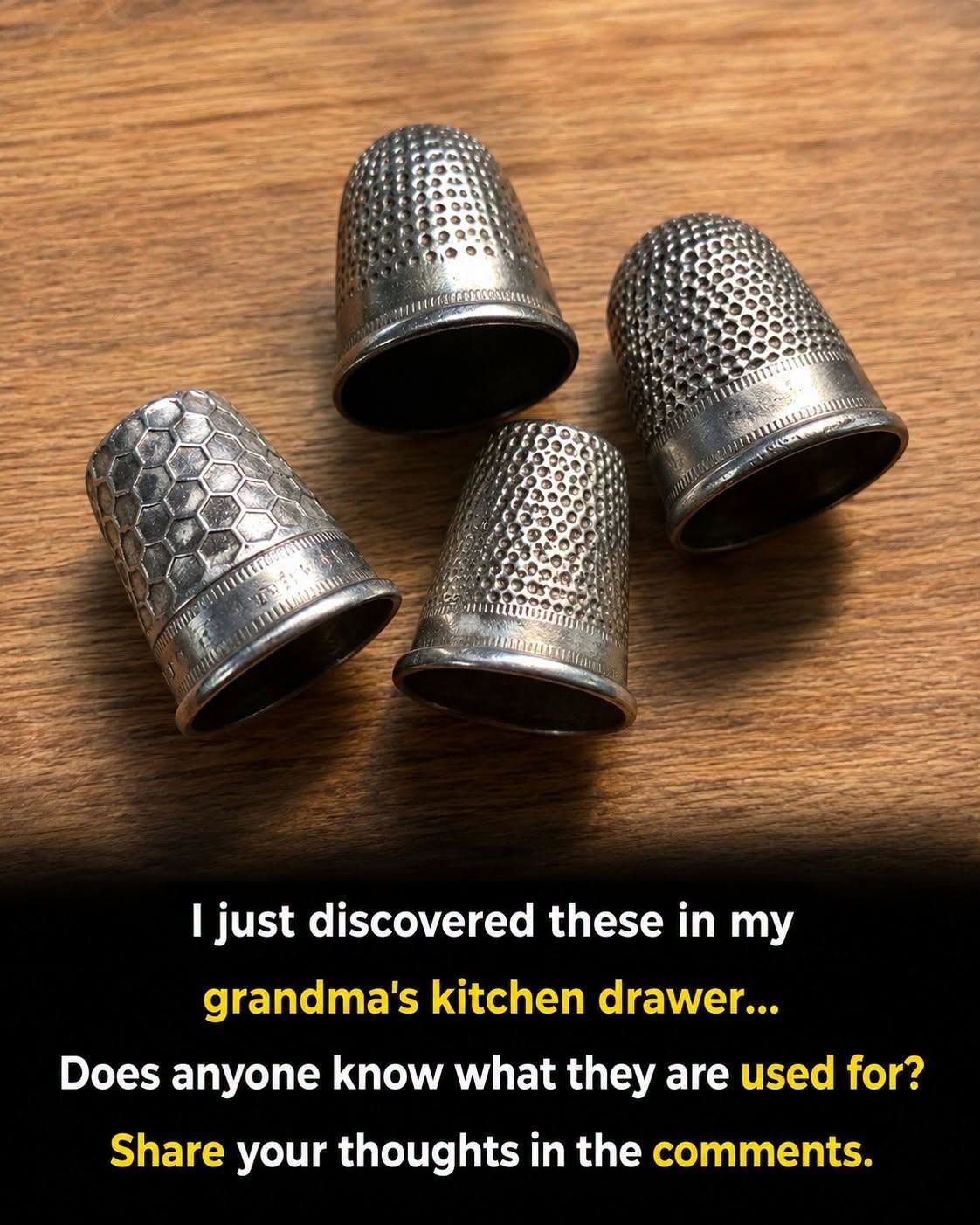
The thimble may look like a simple sewing tool, but its history stretches back thousands of years and reflects the development of human craftsmanship across many civilizations. Archaeological evidence shows early forms of finger protection used as far back as prehistoric times, when bone or stone tools helped people push needles through leather and hide. Over time, these primitive tools gradually evolved into more refined protective caps.
By around 100 AD, the Romans were already using bronze thimbles, and similar objects have been found in ancient China and other early civilizations. These early versions were usually handmade, often from bronze or bone, and were designed purely for function rather than appearance or decoration.
During the Middle Ages, thimbles became more common in Europe, especially by the 14th century. Early European versions were typically made of brass or bronze and were either cast or hammered into shape. They were small, practical tools used by tailors, embroiderers, and leather workers to protect their fingers during repetitive stitching.