

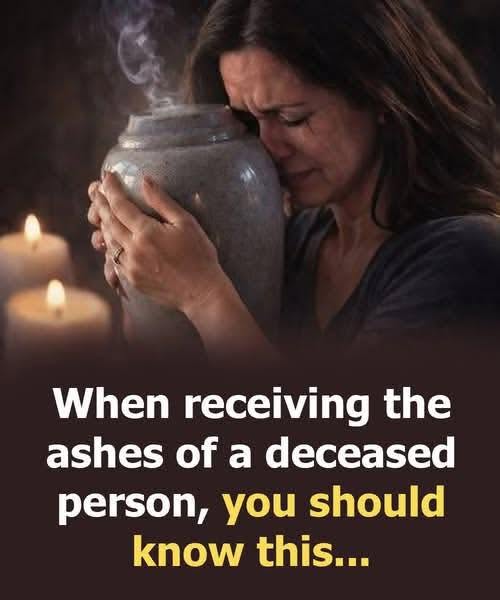
The traditional funeral, at least in Western societies such as the United States and Europe, is changing rapidly. We have shifted from ritualized and formal funeral practices to those that seem more personalized. It is now considered perfectly acceptable to find an urn sitting on one’s bookshelf or nightstand, amid photographs and candles.
The presence of those ashes serves as consolation in saying that final farewell. It is not uncommon to see a person conversing with the urn while enjoying a cup of coffee in the morning or taking it out during the festive period since it brings about the feeling of wholeness within the family.
At the same time, we do witness a lot of customization. In some instances, the ashes are shared among family members such that every person close to the deceased ends up getting a share, whereas in other cases, the ashes get turned into jewelry and even pieces of art made of glass. However, this isn’t something everyone agrees on in the West either.
Sacred spaces: The Catholic and religious perspective
The Catholic Church’s position on the matter is quite definitive. Although the Church permits cremation, it is quite rigid about where the ashes are kept. From the Catholic perspective, even if cremated, the body remains sacred and ought to be placed somewhere holy such as a cemetery or columbarium.
In this respect, it becomes clear why the Church does not encourage placing ashes in the home. The reasoning behind this is that, unlike other places, the house is a secular and domestic environment. The urn may thus lose its religious importance over time. Furthermore, scattering or dividing the ashes is not allowed by the Church because the remains must stay united as a sign of faith in the resurrection.

Eastern philosophy: Between memory and moving on
Continue reading on the next page →