

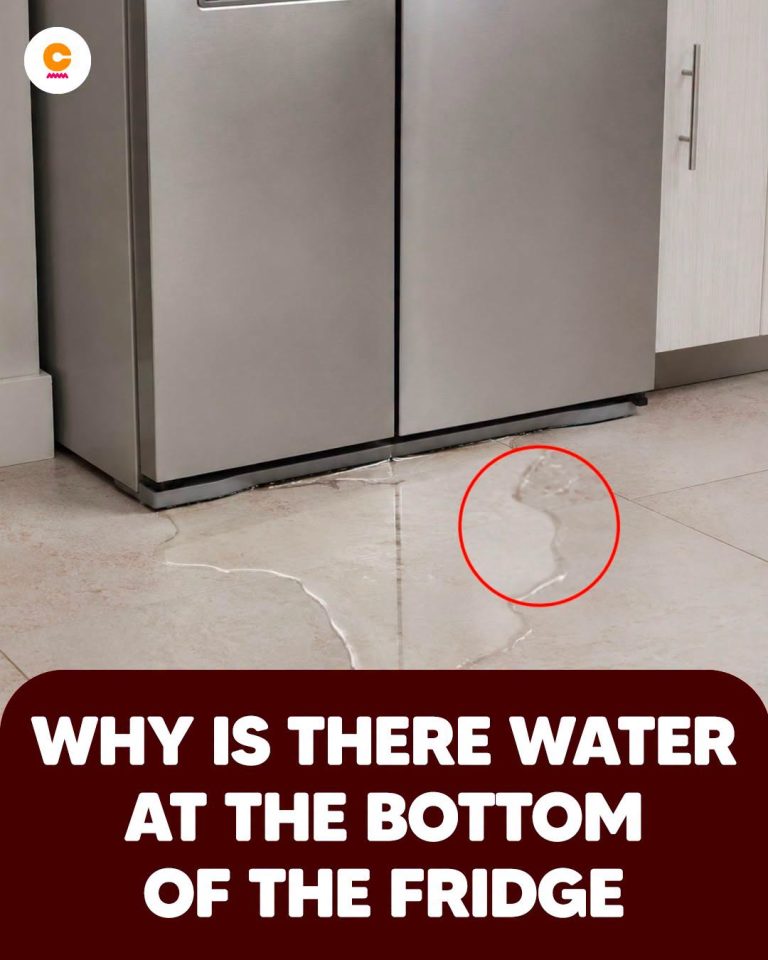
Keeping the refrigerator interior clean also helps reduce the risk of blockages, as crumbs and small food fragments can easily end up in the drain during normal use. It’s equally important not to overload the shelves: an orderly arrangement of food promotes proper circulation of cold air, ensures a more uniform temperature, and limits the formation of condensation. Food should also be stored in tightly closed containers and placed in the refrigerator only after it has completely cooled, to avoid excess humidity inside the compartment. Opening the door only when necessary and periodically checking the condition of the seals also helps reduce the entry of warm, humid air, which is a major cause of condensation. During periodic cleaning, it’s also advisable to check the condensation collection tray and the back of the appliance, removing any dust buildup that could hinder proper water evaporation.
Despite proper maintenance, there are situations where it’s best to call a specialized technician. If the drain hole is clear, the seals are intact, and the refrigerator still leaks, the problem could involve less accessible internal components, such as the automatic defrost system, condensation drain hose, thermostat, or temperature sensors. These damages can cause excessive ice production and, consequently, abnormal water accumulation during defrosting, or even a full-blown leak. In these cases, the structural damage is more serious and very specific, and requires the intervention of a specialist. Contact a technician even if the water leak recurs after cleaning and checking the various parts: this means you haven’t identified the correct problem and there could be more serious damage.