
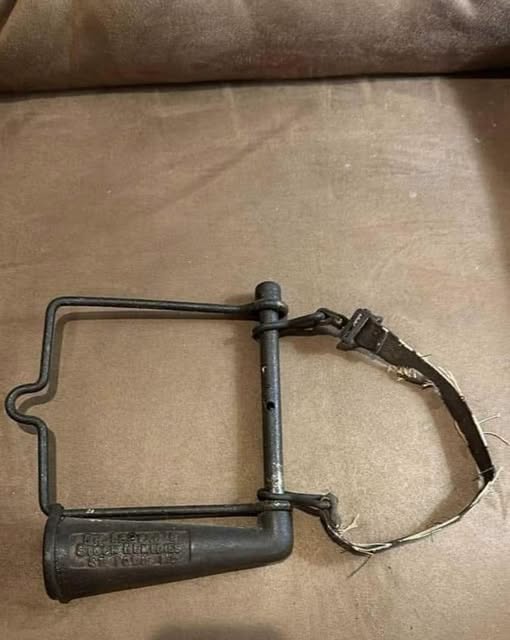
The history of the horse drencher reflects the broader development of veterinary medicine.
Early tools could be relatively simple. As veterinary knowledge and manufacturing techniques developed, more specialized instruments appeared.
By the 19th and early 20th centuries, veterinary medicine had a growing collection of purpose-built instruments for treating horses and other livestock.
Other surviving examples from this period include specialized lancets, surgical instruments, dental tools, and equipment for treating lameness. Museum collections demonstrate how extensive and specialized historical veterinary equipment could be.
Eventually, modern veterinary techniques and equipment replaced many older methods.
What Happened to the Old Drenching Tools?
As veterinary medicine developed, practitioners gained access to more precise diagnostic tools, medications, and methods of administering treatment.
Modern equine veterinarians have specialized equipment for administering medications and fluids, including nasogastric tubes in appropriate clinical situations.
As older instruments became obsolete, many were discarded. Others survived because they were stored in barns, workshops, veterinary offices, or family collections.
That’s why an unusual brass instrument can occasionally turn up decades later in an attic or old farm building.
How to Tell If You Have a Horse Drencher
If you’re trying to identify an unfamiliar antique veterinary tool, look for a combination of characteristics rather than relying on one feature.
Possible clues include:
- A cylindrical or elongated reservoir
- A long delivery tube
- A mouthpiece or bit-like component
- A plunger or pumping mechanism
- Brass or other metal construction
- A ring or hook for handling or storage
- Evidence of repeated use or wear
However, not every object with a curved tube is a horse drencher.
There were many specialized veterinary and agricultural implements, and some can look remarkably similar.
If an item has maker’s marks, patent numbers, engraved names, or other identifying information, those details can be particularly helpful.
How Old Could It Be?
Continue reading on the next page →