
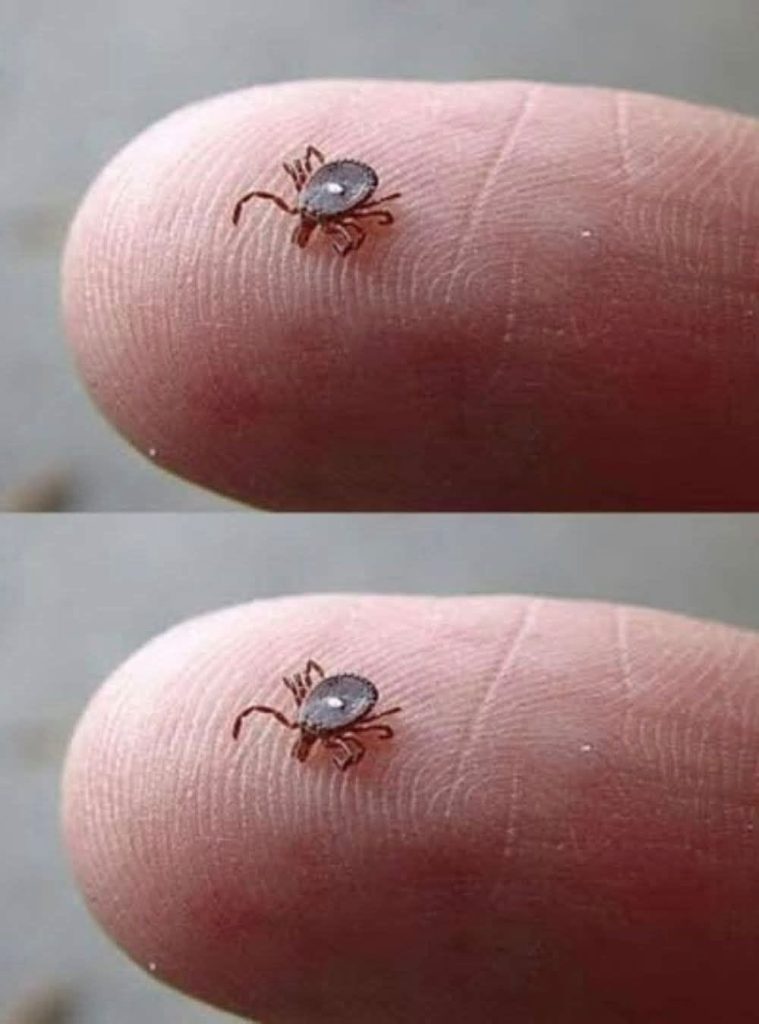
Many traditional tick removal methods are no longer recommended because they can make the situation worse. Covering the tick with petroleum jelly, nail polish, gasoline, or other substances should be avoided. Likewise, applying heat with a lighter or match is not considered a safe removal technique.
Twisting the tick or squeezing its body can also increase irritation and make complete removal more difficult. Using fine-tipped tweezers remains the safest and most reliable method.
Clean the Bite and Monitor Your Health
After removing the tick, continue observing the bite area over the following days. Mild redness or slight irritation immediately after the bite is common and often disappears within a short period.
It can be helpful to write down the date of the bite and take a clear photo of the affected area. This provides a useful reference if changes occur later.
Pay attention to any unusual symptoms that develop during the following days or weeks. An expanding rash, fever, chills, headaches, muscle aches, joint pain, unusual fatigue, or signs of infection around the bite should all be taken
seriously. While some tick-borne illnesses are associated with a distinctive circular rash, not everyone develops this symptom, so any unexplained illness after a tick bite deserves medical attention.
Know When to Contact a Healthcare Provider
Continue reading on the next page →