

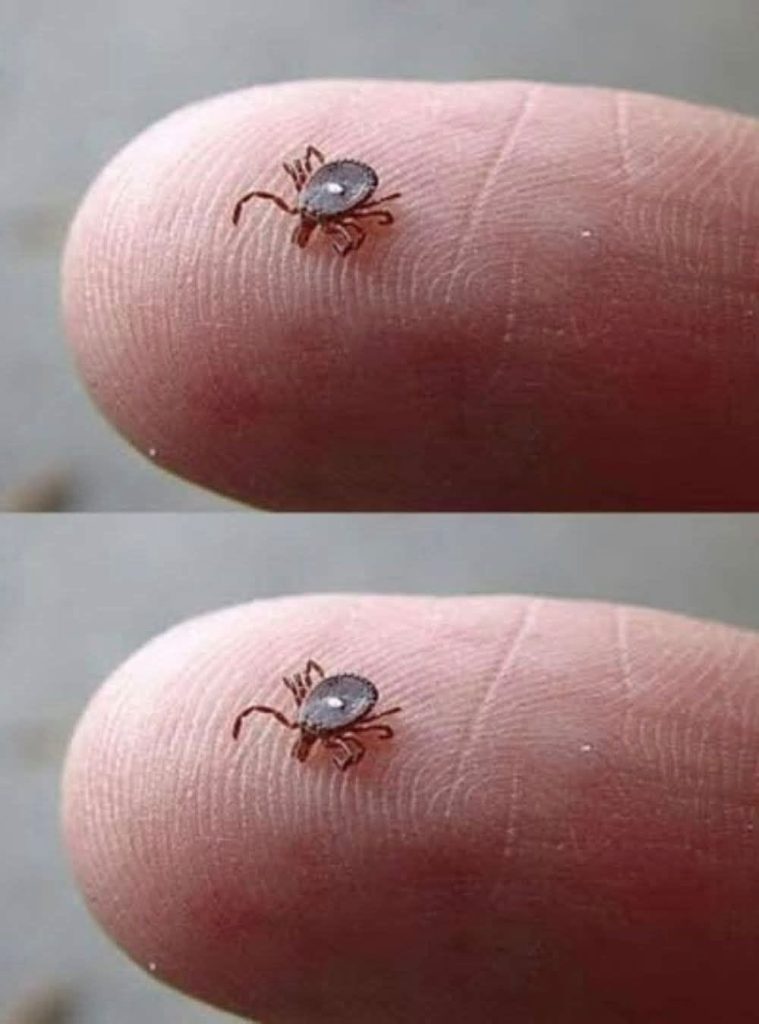
Not every tick bite requires medical treatment, but certain situations should be evaluated by a healthcare professional. If part of the tick remains embedded in your skin, if the tick appears to have been attached for an extended period, or if you develop flu-like symptoms within several weeks, it is wise to seek medical advice.
Medical attention is also recommended if the bite becomes increasingly red, swollen, warm, or begins to produce drainage. People who live in or recently visited areas where tick-borne diseases are common should be especially attentive to any symptoms that appear after a bite.
A healthcare provider can determine whether additional evaluation or preventive treatment is appropriate based on your individual circumstances.
Should You Keep the Tick?
Saving the tick is optional, but it may prove useful if health concerns arise later. In some cases, laboratories can identify the tick species or test it for certain pathogens. However, healthcare providers usually base treatment decisions on a person’s symptoms and overall risk
rather than laboratory testing of the tick itself.
If you decide to keep it, store the tick in a sealed container or plastic bag until you receive further guidance.
Reduce the Risk of Future Tick Bites
Continue reading on the next page →