
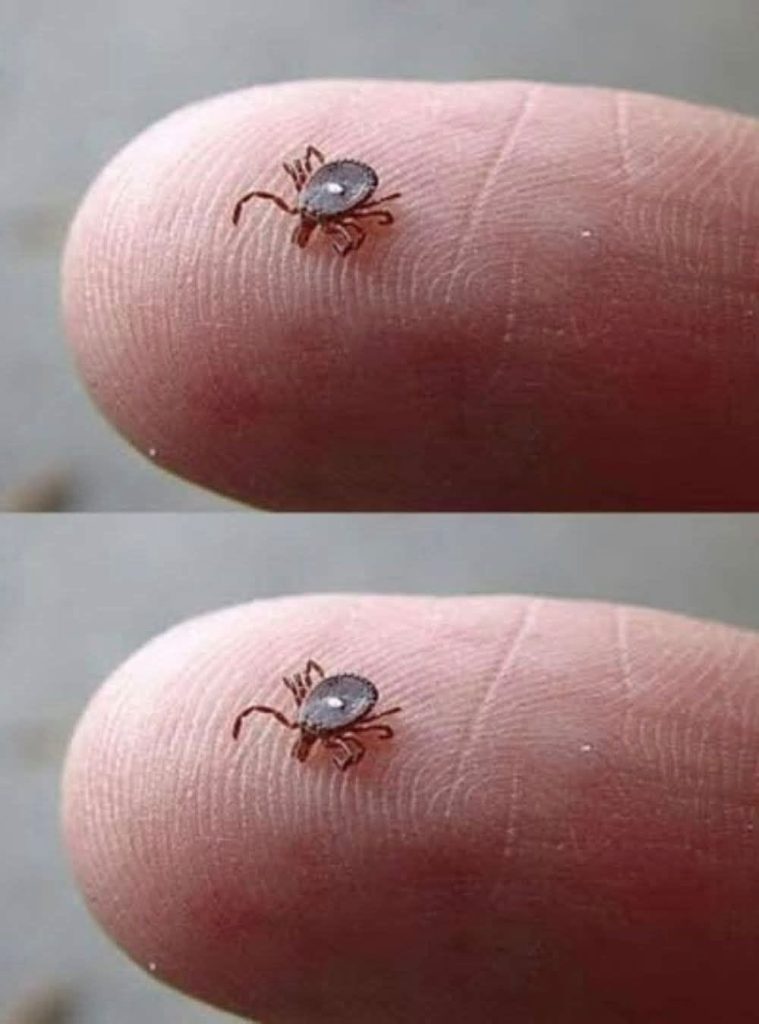
Preventing tick bites is always easier than treating potential problems afterward. When spending time outdoors, wearing long sleeves and long pants can provide additional protection. Light-colored clothing makes it easier to spot ticks before they attach. Using insect repellents designed to protect against ticks and treating outdoor clothing with appropriate products may also reduce the likelihood of bites.
After returning indoors, perform a thorough check of your body. Ticks often hide behind the knees, under the arms, around the waist, behind the ears, along the scalp, inside the belly button, and around the groin. Showering soon after coming inside may help remove ticks that have not yet attached.
It is also important to inspect pets, backpacks, and clothing, since ticks can easily hitch a ride indoors. Drying clothes on high heat for several minutes can help eliminate any ticks hidden in fabric.
Understanding Alpha-Gal Syndrome
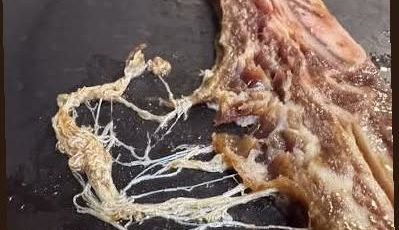
Some tick species have been linked to a rare condition called Alpha-Gal Syndrome. This condition can cause an allergy
to red meat that develops weeks or even months after a tick bite. People with this allergy may experience itching, hives, swelling, stomach discomfort, or, in rare cases, a severe allergic reaction several hours after eating foods such as beef, pork, or lamb.
If you experience unexplained allergic symptoms after eating red meat and have recently been bitten by a tick, discuss your symptoms with your healthcare provider.
Final Thoughts
Finding a tick on your skin can be alarming, but most tick bites do not result in serious illness. Removing the tick promptly, cleaning the bite properly, and monitoring your health are the most important steps you can take.
By learning how to respond and practicing simple prevention measures during outdoor activities, you can greatly reduce your risk while continuing to enjoy nature safely