

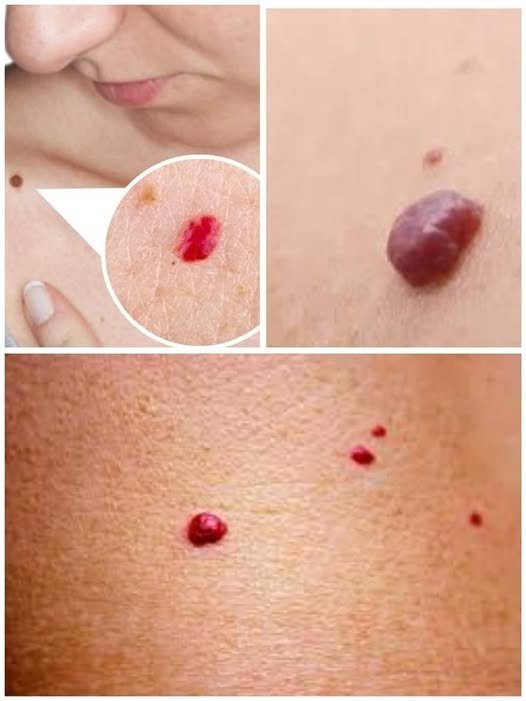
Red Dots on the Skin: What They Mean and When You Should Pay Attention
Red dots on the skin can be worrying because skin changes are easy to notice and hard to ignore. A sudden spot, cluster of tiny red marks, or a bright red bump can quickly raise concerns about health problems. Fortunately, most red dots that appear on the skin are harmless and often result from normal bodily processes rather than serious illness.
Many people discover these spots while showering, changing clothes, or looking in the mirror. Because they often appear unexpectedly, it’s natural to wonder whether they require medical attention. Understanding the most common causes can help reduce unnecessary anxiety and make it easier to recognize when a doctor’s visit may be needed.
In many cases, red dots develop due to everyday factors such as aging, heat exposure, friction from clothing, temporary irritation, or minor changes in blood vessels. These reactions are often part of the body’s normal response to environmental conditions and physical stress.
For example, spending time outdoors on a hot day, exercising intensely, or wearing tight clothing can sometimes trigger temporary skin changes. The skin is a dynamic organ that constantly responds to what happens inside and outside the body.
One common cause of red dots is petechiae. These are tiny, flat red or purple spots that occur when very small blood vessels, known as capillaries, break beneath the skin. Unlike some rashes, petechiae usually do not fade or turn white when pressed.
Petechiae can appear after activities that increase pressure within blood vessels. Intense coughing, repeated vomiting, heavy lifting, strenuous exercise, or even forceful sneezing may be enough to cause them. In these situations, the spots are usually harmless and tend to disappear over time without treatment.
However, if petechiae appear suddenly in large numbers or are accompanied by fever, unusual bruising, fatigue, or other symptoms, medical evaluation may be necessary to rule out underlying conditions.
Another very common explanation is cherry angiomas. These small, bright red bumps are among the most frequently observed skin growths in adults. They develop when tiny blood vessels cluster together near the skin’s surface.
Cherry angiomas are generally painless, non-cancerous, and become more common with age. Some people develop only a few, while others may have dozens spread across the torso, arms, or legs. Although their appearance can be surprising, they rarely pose any health risk.
See continuation on next page