
Before walking out the door, here’s the quick version:
- Empty the sink
- Wash dirty dishes
- Clean the basin
- Remove food debris
- Clean the garbage disposal if you have one
- Run water briefly to ensure the drain trap has water
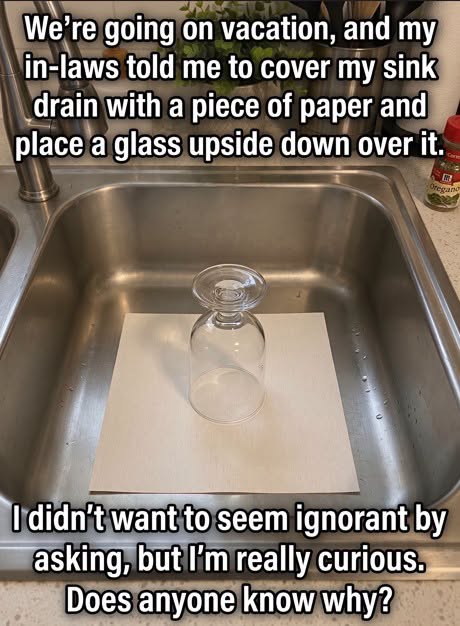
- Cover or close the drain openings
- Take out the trash
- Check underneath the sink for leaks
That’s really all there is to it.
Frequently Asked Questions
Should I put a stopper in my kitchen sink before vacation?
You can. A properly fitted sink stopper can help cover the drain opening and provide an additional barrier against odors.
Can a sink smell after sitting unused?
Yes. A sink or drain can develop unpleasant odors when unused, particularly if there is organic residue or if the water barrier in the trap becomes depleted.
Does covering a sink prevent sewer gas?
A drain cover may provide an additional barrier, but the P-trap is an important part of the plumbing system’s normal defense against sewer gases. Persistent sewer odors should be investigated rather than simply covered.
Should I cover both sides of a double kitchen sink?
If both basins have drain openings, it’s sensible to close or cover both when preparing the kitchen for an extended absence.
Should I pour bleach down my sink before vacation?
There’s no universal need to do this. Avoid using chemical products unnecessarily, and always follow the product label and your plumbing manufacturer’s guidance.
How long can a kitchen sink sit unused?
A properly functioning sink can sit unused for an extended period. The bigger concern is the condition of the drain system, trap, and sink before you leave.
What if my sink smells when I return?
Start by cleaning the sink and drain and running water. If the smell persists—especially if it smells like sewage—consider having the plumbing inspected.
The Bottom Line
Continue reading on the next page →