
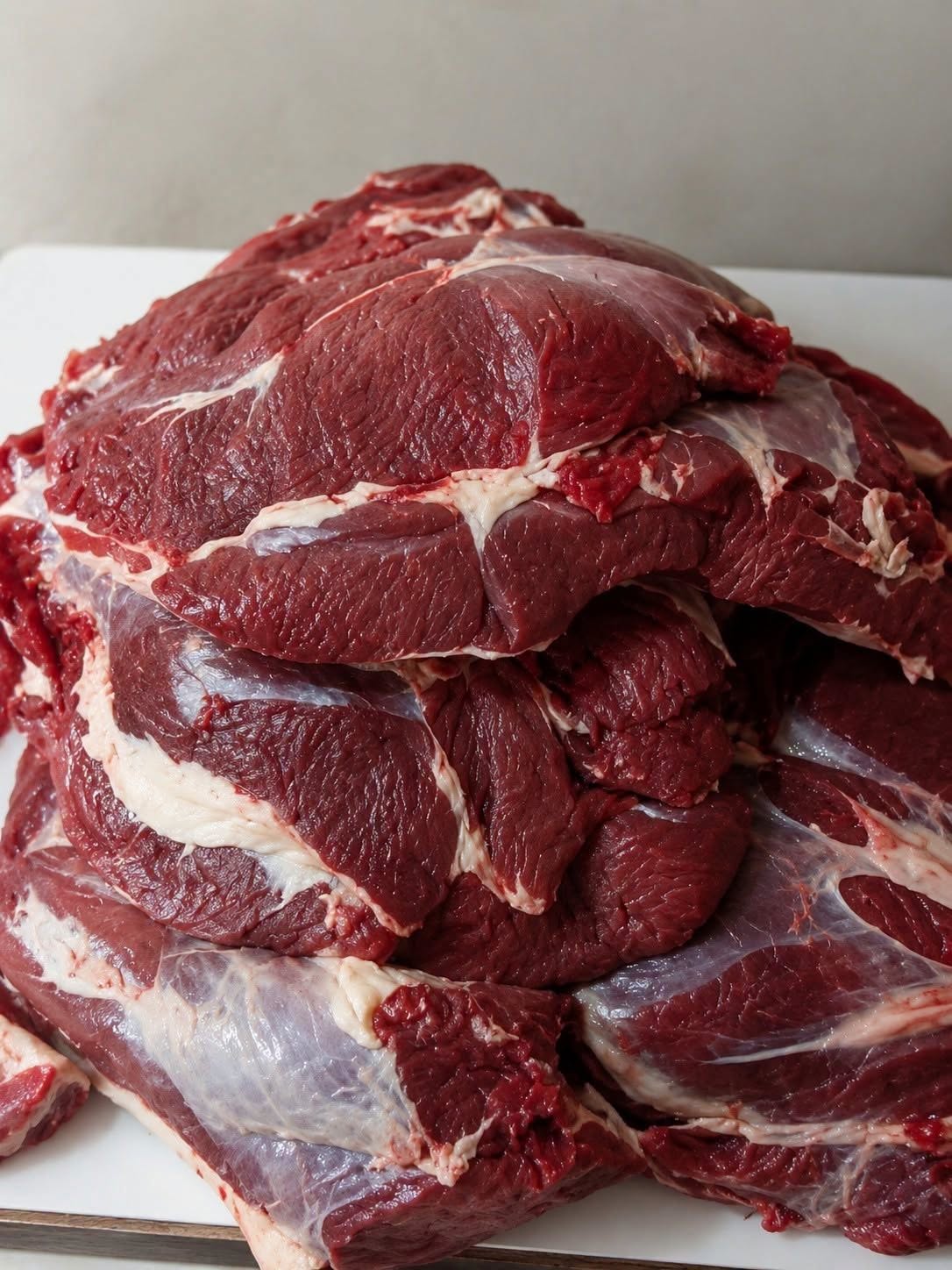
Bright red beef often attracts shoppers because many people associate redness with freshness. Color, however, is influenced by oxygen, packaging, lighting, animal age, and the muscle pigment myoglobin. A vivid display is not proof that one package is newer or safer than a darker package beside it.
Fresh beef protected from air in a vacuum package can appear burgundy or purplish. After exposure to oxygen, myoglobin forms oxymyoglobin and the surface becomes cherry red. Continued oxygen exposure and store lighting can eventually create brownish red metmyoglobin. The United States Department of Agriculture notes that color change alone does not necessarily mean spoilage.
Shoppers should consider several signs together. Check the use by or sell by information, refrigeration, package integrity, and the amount of liquid present. Avoid packages that leak, are swollen, or have broken seals. Meat with an off odor or tacky, sticky texture should not be used even if some areas still look red.
Retail lighting and oxygen permeable wrap can make red tones more noticeable. Those practices affect appearance, but they do not mean every supermarket is secretly selling spoiled meat. The more accurate lesson is that visual appeal is part of merchandising and should not replace label reading or safe handling.
Marketing terms also require attention. Phrases such as butcher’s selection, premium quality, or farm fresh may sound like official grades even when they function mainly as branding. Look for the actual cut, weight, ingredients, inspection information, added solutions, and storage instructions rather than relying on adjectives.
Vacuum packaging can extend quality by removing air. Some packages use modified atmospheres containing controlled gases. These approaches are regulated food technologies, not automatic evidence of deception. They can change how meat looks, so consumers need to understand the package before judging color.
Keep raw meat cold during shopping and transportation. Pick it up near the end of the trip, separate it from ready-to-eat food, and use an insulated bag when travel home will take time. Refrigerate or freeze promptly according to the label and safe storage guidance.
Infant feeding supplies
At home, prevent raw juices from reaching produce, cooked food, hands, or utensils. Store meat in a container or on a lower shelf. Wash hands and food-contact surfaces with hot soapy water after handling it. Do not rinse raw meat, because splashing can spread bacteria around the sink and counter.
NEXT