
Cooking color is also unreliable. Ground beef can turn brown before reaching a safe temperature, while some fully cooked meat remains pink. Use a food thermometer. USDA guidance recommends 160 degrees Fahrenheit for ground beef and 145 degrees with a three-minute rest for whole cuts of beef, veal, lamb, and pork.
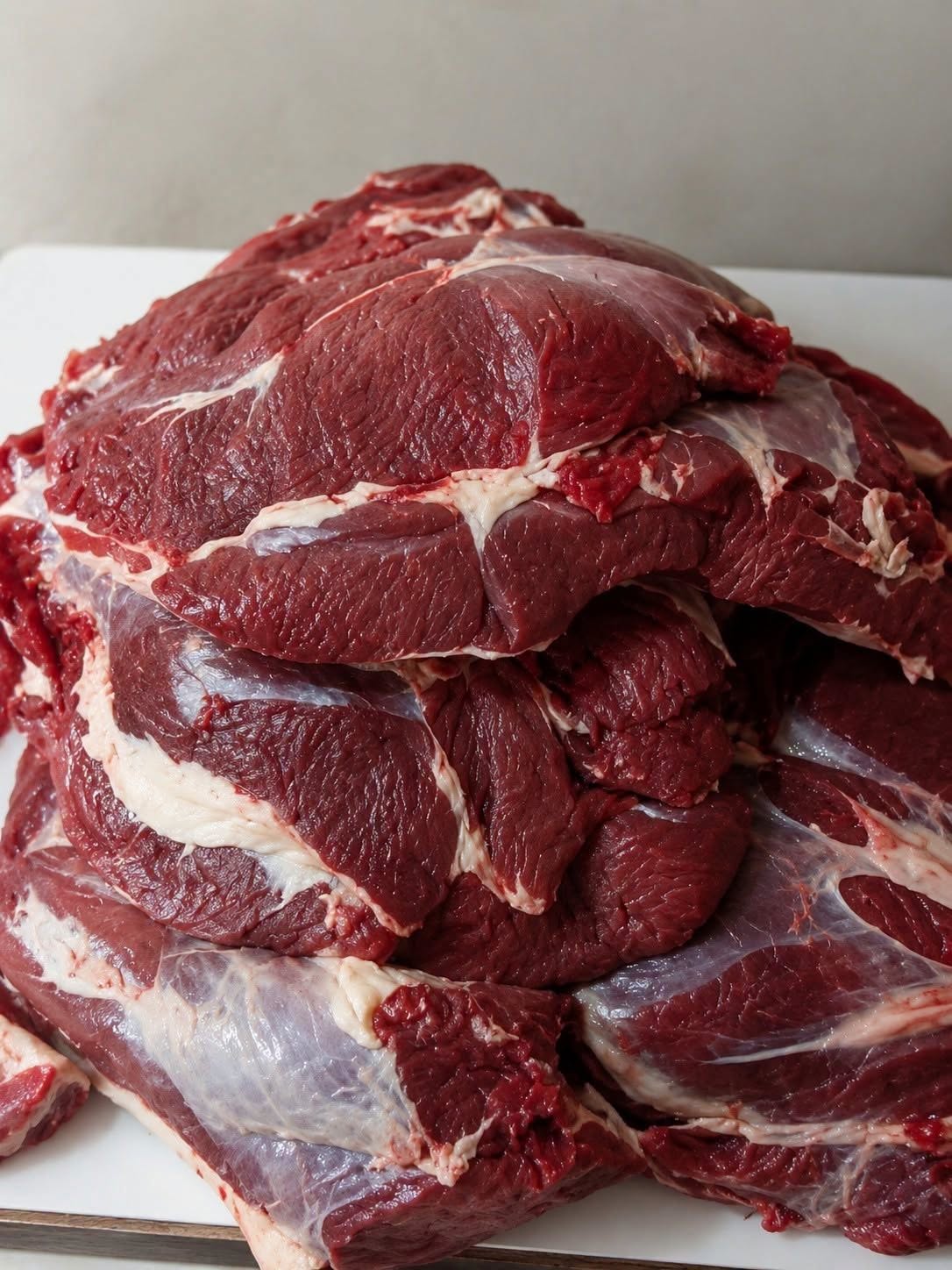
Most retailers follow food safety rules, and darker vacuum-packed meat may be perfectly good. Conversely, attractive red meat can still be mishandled if its temperature, package, or date is wrong. A shopper’s best protection is not fear of color but attention to verified storage, labeling, texture, odor, and safe kitchen practices.
The supermarket trick is the assumption that appearance tells the whole story. Understanding myoglobin explains why meat changes from purple to red to brown without automatically becoming unsafe. Informed consumers can look beyond lighting and promotional language, choose intact cold packages, and judge quality through several reliable signs rather than one appealing shade.
Price is not a safety guarantee either. An expensive cut can be mishandled, while a lower-cost cut may be wholesome and flavorful when stored and cooked correctly. Compare price per unit, trimming, bone content, and intended recipe to decide whether a premium label offers actual value.
When uncertain after purchase, follow a cautious rule. Do not taste questionable raw or cooked meat to test it. Discard products with clear spoilage signs, and contact the store or food safety authority about damaged packages, temperature abuse, or suspected illness. Appearance starts the inspection, but evidence should finish it.